
Maitland Graded Mobilization
Rhythmic oscillations graded from I to IV — gentle grades calm pain, stronger grades stretch stiff joints.
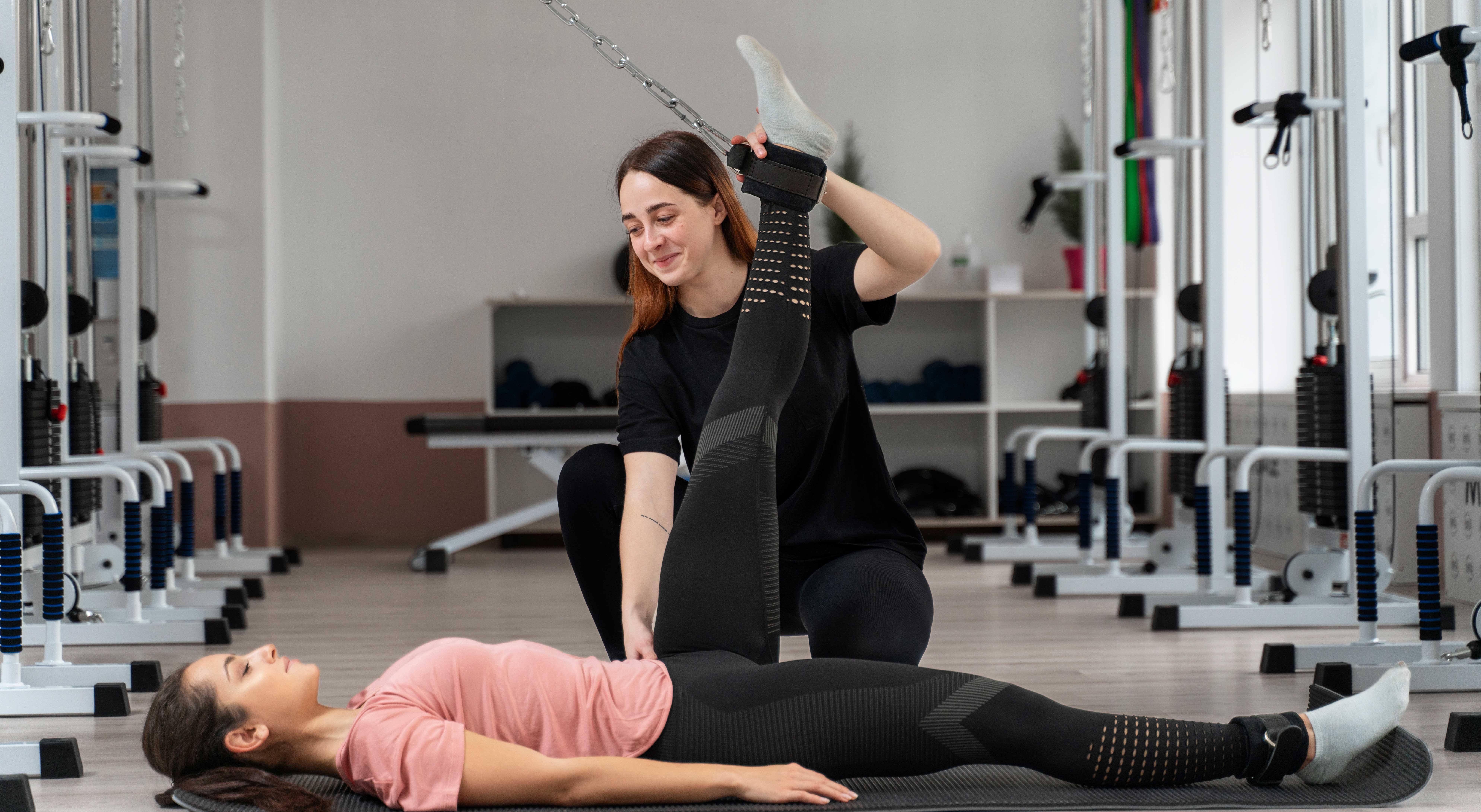

Joint mobilization is a specialised manual physiotherapy technique in which the physiotherapist moves a joint with slow, controlled, graded glides and pressures. These small, precise movements stretch a tight joint capsule, reduce pain and restore the joint's natural gliding and rolling, so it can move fully and comfortably again.
Advanced joint mobilization goes further, using internationally recognised concepts such as Maitland, Mulligan and Kaltenborn. At New Life Physiotherapy Clinic, Dr. Y. Abhilash (PT) selects the right method and grade for each joint after a detailed assessment, then pairs it with exercises that keep the new movement for good.
Each concept has its strengths. We combine them to suit the joint, the cause of stiffness and how irritable your pain is.
Book Free ConsultationRhythmic oscillations graded from I to IV — gentle grades calm pain, stronger grades stretch stiff joints.
The therapist holds a sustained joint glide while you actively move — often giving immediate, pain-free improvement.
Sustained natural apophyseal glides that ease neck and back pain and restore spinal movement during bending and turning.
Precise gliding of joint surfaces in the direction of restriction, based on the joint's shape, to restore lost movement.
Gently separating the joint surfaces to relieve compression, reduce pain and create space for nerves and discs.
Graded pressures on the vertebrae of the neck, upper and lower back to free stiff segments and relieve pain.
Targeted techniques for the shoulder, elbow, wrist, hip, knee and ankle — vital for frozen shoulder and post-fracture stiffness.
Simple self-mobilization and stretching you can do at home to hold on to the movement gained in each session.
Joint mobilization is most helpful when stiffness or a "stuck" joint is causing pain. Tap a condition to learn more.
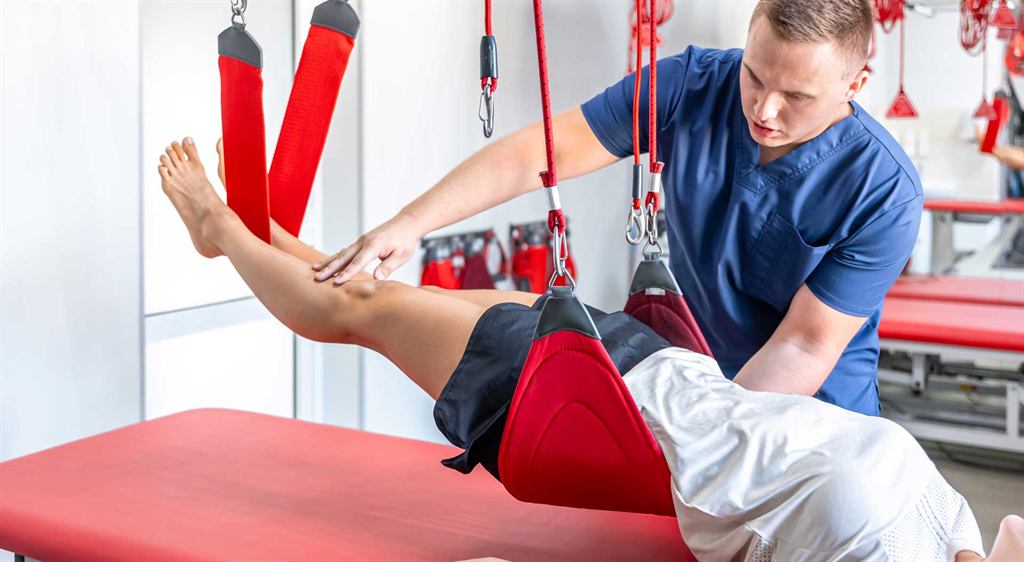
Every session is one-to-one with Dr. Y. Abhilash (PT), and every technique stays within your comfort.
We measure movement, test joint glides and find which direction is stiff or painful — and rule out anything that needs a different approach.
The chosen technique and grade is applied with you relaxed and well supported, with constant feedback on comfort.
Active movement and strengthening right after mobilization help your body keep the new range.
We re-measure movement every visit and progress the grade and exercises as the joint improves.
Joint mobilization is a hands-on technique where the physiotherapist moves a joint with slow, controlled glides and pressures to reduce pain and restore normal movement. It is graded so the force always suits your condition.
Mobilization uses slow, controlled movements that you can stop at any time. Manipulation is a single quick thrust, sometimes with a "click". Mobilization is gentler and suitable for most people, including those with acute pain or older joints.
Maitland grades I to IV describe how large and how deep a mobilization movement is. Grades I and II are small and gentle to ease pain; grades III and IV go further into the stiffness to restore range of motion.
It should not be. You may feel a stretch or mild pressure at the stiff point, but the grade is always adjusted to your comfort. Some people feel mild soreness for a day, similar to after exercise.
Many patients notice easier movement within 3–4 sessions. Long-standing stiffness such as frozen shoulder or post-fracture stiffness may need several weeks of treatment combined with home exercises.
It is safe for most people when done by a trained physiotherapist. It is avoided or modified in conditions such as recent fractures, severe osteoporosis, joint infection, tumours or unstable joints — which is why we always assess you first.
More questions? See all FAQs
Book a free consultation with Dr. Y. Abhilash (PT) — or call us and we will find a time that suits you.